Pest-Proofing Your Pocono Cabin Before Winter: The Complete Checklist
Closing your Pocono cabin for the season? Don't leave without pest-proofing it. This checklist covers rodents, wildlife, stink bugs, and more — so you return to a clean cabin in spring.
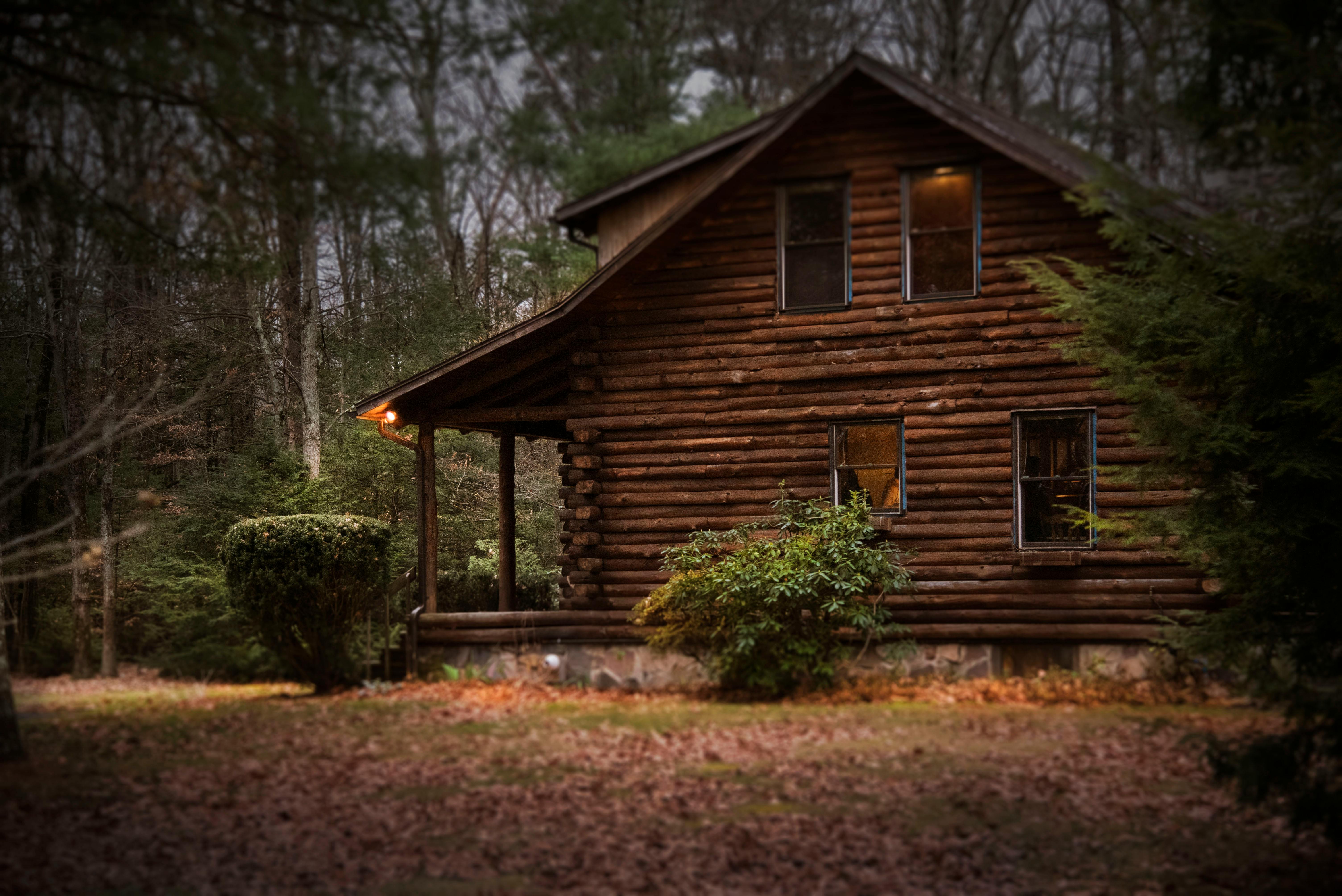
Pest-Proofing Your Pocono Cabin Before Winter
Closing your Pocono cabin for the season is a ritual — draining the water lines, shutting off the propane, locking up the dock furniture, and saying goodbye until spring. But if you're skipping the pest-proofing checklist, you may be inviting houseguests that won't wait to be invited back.
Pocono vacation homes left unoccupied through late fall and winter are magnets for rodents, wildlife, stink bugs, and insects looking for a warm place to wait out the cold. Opening your cabin in April to find mouse droppings in every drawer, a squirrel's nest in the attic, or thousands of stink bugs emerging from the walls is a predictably miserable start to the season.
Here's a comprehensive pest-proofing checklist you can complete on closing day.
Rodent-Proofing (Most Important)
Mice can enter through an opening the size of a dime. Rats need a quarter-sized gap. Your cabin probably has dozens of both.
Before you lock up:
- Walk the exterior foundation and look for any gap where pipes, wires, or cables enter the structure. Seal with copper wool and expanding foam — mice chew through foam alone but leave steel mesh alone.
- Check the foundation sill (the lowest wood member resting on the foundation) for any gaps where it's pulled away from the masonry. A bead of caulk seals this.
- Look at every utility penetration — water supply, drain lines, electrical conduit, gas line, cable TV, internet. All should be sealed tight.
- Check garage door bottom seals and weatherstripping on all exterior doors. Replace worn seals.
- Look for gnaw marks on exterior wood — if mice have been attempting entry before, they'll continue.
Remove all food:
This sounds obvious, but check: cracker boxes, cereal, dog food bags, pantry staples in paper bags, chocolate, candy, nuts, cooking oils, and anything in cardboard. Move shelf-stable foods to airtight containers or take them home. Empty refrigerators and freezers completely.
Inside the cabin:
- Set snap traps in the kitchen, utility areas, and basement before leaving. Check them in spring.
- Place cedar blocks or sachets in closets and drawers — not a reliable deterrent on its own, but it helps with the smell.
- Don't leave trash bags inside.
Wildlife-Proofing
Chimney: If you have a fireplace or wood stove, confirm your chimney cap is in place and structurally sound. A missing or damaged chimney cap is an open invitation to raccoons looking for a denning site. Raccoons with kits in a chimney are one of the most difficult and expensive wildlife situations to resolve.
Attic and soffits: Inspect from the outside for any gap in the soffit, fascia, or at the peak of roof vents. Squirrels exploit these openings aggressively in fall. Walk the roofline with binoculars if you can't safely access it.
Deck and porch: Look under deck boards and porches for signs of burrowing (fresh soil mounds, smoothed paths). Groundhog exclusion before winter prevents a much larger problem in spring. Install wire mesh aprons around the perimeter of decks if groundhogs have been a recurring issue.
Crawl space vents: Make sure all crawl space vents have intact screening. Skunks and opossums exploit damaged crawl space vents to access the understructure.
Stink Bug Checklist
If you're closing after Labor Day, the stink bug migration is likely already underway or complete. Focus on:
• Interior sealing: Walk the inside of the cabin and seal electrical outlets on exterior walls with foam gaskets, check door weatherstripping, and look for any visible daylight around window frames.
• Vacuum existing stink bugs: Before you leave, vacuum any visible stink bugs rather than crushing them. Dispose of the bag outside the cabin.
• Mark your calendar for next August: Schedule professional exterior stink bug treatment for late August next year — before you close and before the invasion window opens.
Moisture and Insect Prevention
Standing water inside a closed cabin creates conditions for springtails, silverfish, and mold-associated insects.
- Run the dishwasher empty and leave it cracked open
- Check under sinks for any drips and address them before leaving
- Turn off the water main and drain lines (which you're probably doing anyway)
- Leave cabinet doors under sinks slightly open to allow air circulation
- Empty and clean all dehumidifiers
The Full Closing Checklist at a Glance
Exterior:
- ☐ Seal all foundation utility penetrations (copper wool + foam)
- ☐ Check and seal sill plate gaps
- ☐ Inspect chimney cap (raccoon prevention)
- ☐ Check soffits and fascia for gaps (squirrel prevention)
- ☐ Inspect crawl space vents
- ☐ Install or check deck perimeter wire mesh (groundhog prevention)
Interior:
- ☐ Remove all food to airtight containers or take home
- ☐ Set snap traps in kitchen, utility, and basement
- ☐ Vacuum all visible stink bugs
- ☐ Seal electrical outlets on exterior walls
- ☐ Check door and window weatherstripping
- ☐ Empty dehumidifiers
Scheduling:
- ☐ Book late-August stink bug exterior treatment for next year
- ☐ Consider annual rodent exclusion service if recurring issues
L&L Pest Control offers pre-close inspections and exclusion services for Pocono vacation homeowners throughout Monroe, Pike, Wayne, and Carbon counties. We can inspect before you leave and make sure your property is properly protected. Call (570) 992-3487 for a free consultation.