Monroe County Termite Inspection Guide
Eastern subterranean termites are active throughout Monroe County — and Pocono Mountain homes with wooded lots and high soil moisture are especially vulnerable. Learn the signs of termite damage, when to schedule an inspection, and what treatment looks like in the Poconos.
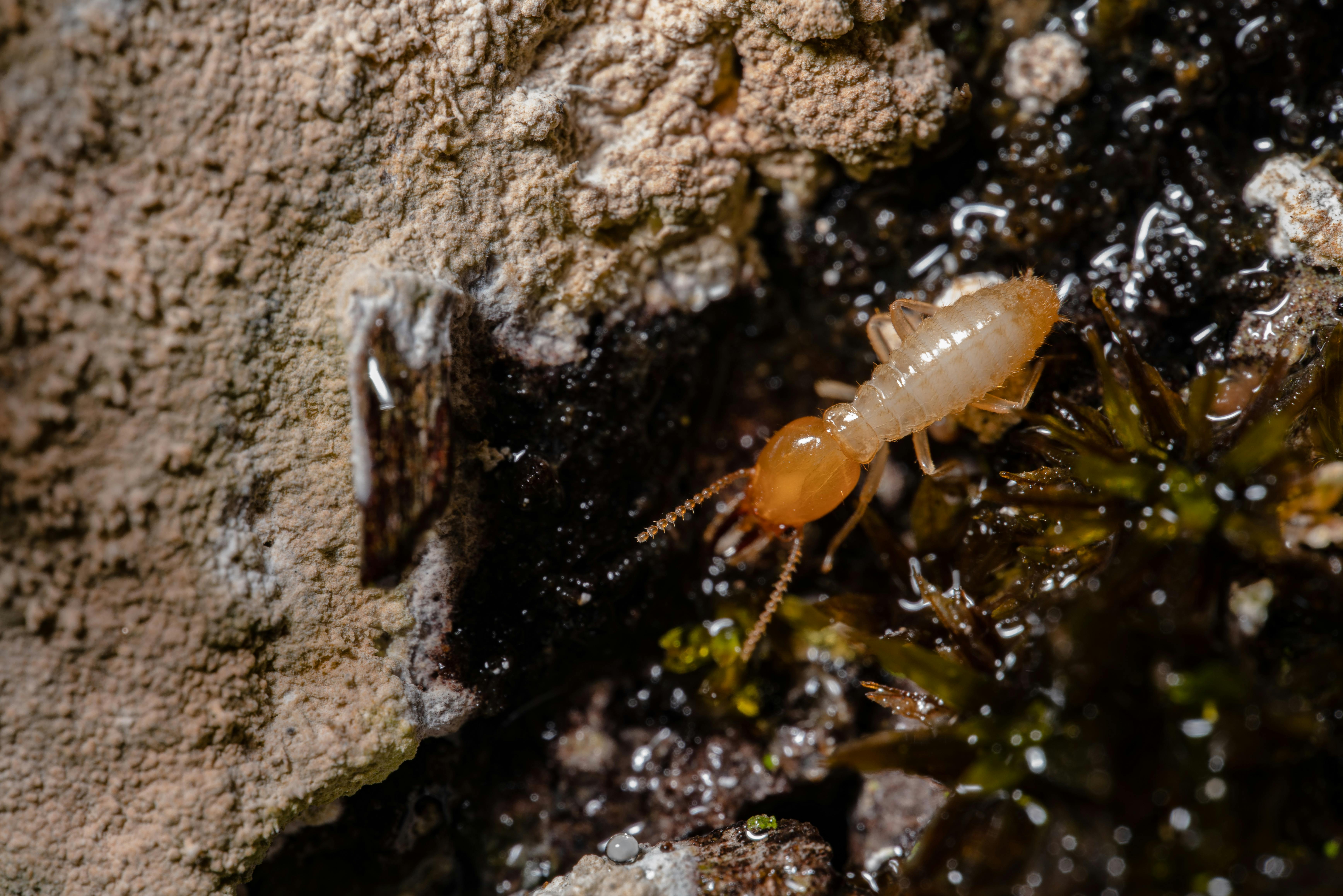
Termite Inspection in Monroe County, PA
Eastern subterranean termites are present throughout Monroe County — and the Pocono Mountains' combination of high annual rainfall, moist soil, wooded lots, and abundant wood debris makes Monroe County properties particularly vulnerable. L&L Pest Control conducts termite inspections and treatments throughout Monroe, Pike, Wayne, Carbon, Lehigh, and Northampton counties, and we find active termite infestations in Pocono homes every year. Here's what every Monroe County homeowner should understand about termite risk, warning signs, and what treatment involves.
Are Termites a Real Problem in Monroe County?
Yes. Eastern subterranean termites (*Reticulitermes flavipes*) are the most destructive structural pest in Pennsylvania, and they are actively present in Monroe County. Pennsylvania homeowners collectively spend tens of millions of dollars on termite-related repairs each year — and Monroe County is not exempt. The region's environmental conditions create elevated risk compared to more arid parts of the state.
Monroe County receives over 50 inches of rain annually, producing the sustained soil moisture that subterranean termite colonies require. The region's abundance of wooded lots, old tree stumps, buried wood debris, and organic matter in the soil provides excellent conditions for colony establishment — sometimes within yards of a home's foundation.
How Subterranean Termites Work
Subterranean termites live in underground colonies in the soil — mature colonies may contain hundreds of thousands to over a million individuals. Unlike carpenter ants, which simply nest in wood, termites consume cellulose (wood fiber) as their primary food source. A mature colony can consume a pound of wood per day.
Subterranean termites build mud tubes — pencil-width tunnels of clay, soil, and termite secretions — to travel from the soil to wood above grade. These tubes protect the termites from air exposure and from predators. Mud tubes are one of the most reliable visible signs of termite activity and a key indicator inspectors look for.
Termites typically enter structures at the foundation, traveling through cracks in concrete blocks, expansion joints, or any wood-to-soil contact point. They feed on structural wood from the inside out — damage is often invisible until structural members are severely compromised.
Warning Signs to Look for in Pocono Homes
Every Monroe County homeowner should know these warning signs of termite activity:
• Mud tubes on foundation walls: Pencil-width clay tunnels running from soil up foundation block or poured concrete walls. Found on interior crawl space walls, exterior foundation surfaces, or along piers and support posts.
• Swarming termites in spring: Winged termites (called alates or swarmers) emerge from soil or wall voids in March through May — typically during the first warm, humid days after a rain. Swarmers are frequently mistaken for flying ants. If you see swarmers emerging from inside your home, this indicates an established interior colony and warrants immediate professional inspection.
• Hollow-sounding wood: Wood that sounds hollow when tapped with a screwdriver handle — indicates that interior wood fiber has been consumed.
• Bubbling or peeling paint on wood surfaces: Moisture introduced by termite activity can cause paint to bubble or peel even in areas not directly exposed to outdoor weather.
• Discarded wings near windows and door sills: Termite swarmers shed their wings after landing. Piles of tiny wings near window sills or door frames are a sign of a recent swarm.
Termite Risk Factors for Monroe County / Pocono Mountain Homes
Several conditions common to Monroe County properties elevate termite risk significantly:
• Wooded lots with stumps or buried wood debris: Developed Pocono lots frequently contain old tree stumps, buried construction debris, and root systems — all of which can sustain termite colonies near the home's foundation.
• Heavy mulch against foundation: Mulch retains moisture and provides cellulose — a combination that attracts termite activity. Mulch applied within 6 inches of foundation block is a documented risk factor.
• High soil moisture: Monroe County's rainfall and proximity to Brodhead Creek, Pocono Creek, and numerous wetland areas produces high baseline soil moisture throughout the region.
• Older construction with wood-to-soil contact: Porch steps, deck posts, stair stringers, and crawl space wood members with direct soil contact provide a direct path for termite entry — common in older construction throughout Stroudsburg, East Stroudsburg, Brodheadsville, Tannersville, Saylorsburg, and Analomink.
• Firewood stored against the house: Firewood is a termite attractant and provides a bridge from soil to home siding or foundation. It should be stored elevated and at least 20 feet from the home's exterior.
Flying Ants vs. Termite Swarmers
Monroe County homeowners frequently encounter termite swarmers in spring and mistake them for flying ants — a common and understandable error. Here's how to tell them apart:
Termite swarmers have straight, bead-like antennae; equal-length front and back wings that are much longer than the body; and a thick, straight waist with no visible pinch between the thorax and abdomen.
Flying ants have elbowed (bent) antennae; wings of unequal length with the front wing larger than the back; and a clearly pinched waist between the thorax and abdomen.
If you see swarmers emerging from inside your home — from walls, flooring, or around a foundation sill — this is a strong indicator of an established interior colony and warrants an immediate professional inspection.
What a Termite Inspection Involves
A professional termite inspection is a systematic examination of the accessible interior and exterior of a structure. The inspector examines:
• Foundation perimeter (exterior): Looking for mud tubes, wood-to-soil contact, moisture damage, and structural vulnerabilities.
• Crawl space or basement: Examining wood members, piers, sill plates, floor joists, and support beams for mud tubes, damage, frass, and moisture conditions.
• Interior accessible areas: Checking around windows, door frames, plumbing penetrations, and any areas with a history of moisture intrusion.
• Accessible attic spaces: Examining rafters and sheathing for evidence of activity in homes where termites may have accessed upper wood members.
The inspection report documents all findings, evidence of active infestation, structural risk conditions, and recommended next steps. Even if no active infestation is found, a professional inspection identifies the conditions that invite termites — giving you the opportunity to address them before an infestation establishes.
Treatment Options
Liquid soil treatment (termiticide barrier): The most common treatment for active infestations and high-risk properties. A liquid termiticide is applied to the soil around the foundation perimeter, creating a treated zone that termites cannot cross without picking up a lethal dose. Most modern termiticides are non-repellent — termites pass through the treated zone without detecting it and carry the active ingredient back to the colony, eliminating it from the inside.
Bait station systems: Monitoring stations are installed around the perimeter of the structure. When termite activity is detected at a station, a slow-acting bait is introduced that worker termites carry back to the colony. Bait systems are effective for colony elimination and ongoing monitoring.
Combination programs: High-risk properties — those with established infestations, significant wood-to-soil contact, or high environmental moisture — may benefit from both liquid treatment and perimeter monitoring stations.
For Monroe County homes, where wooded lot conditions and high soil moisture are the norm, a liquid termiticide treatment combined with annual monitoring represents the most reliable long-term protection strategy.
When to Schedule an Inspection
Annual termite inspections are recommended for Monroe County homeowners — particularly those with wooded lots, crawl spaces, soil-contact wood, or older construction. Call immediately if you observe any of the following: mud tubes on foundation walls, swarmers emerging from inside your home in spring, hollow-sounding wood when tapped, or unexplained bubbling paint on interior wood surfaces.
Spring (March through May) is the peak swarming season for eastern subterranean termites in Monroe County and the best time to determine whether termite activity is present on your property.
L&L Pest Control offers professional termite inspections and treatment throughout Monroe County and the Pocono Mountains. Call (570) 992-3487 to schedule your inspection. Serving Monroe, Pike, Wayne, Carbon, Lehigh, and Northampton counties since 1986.